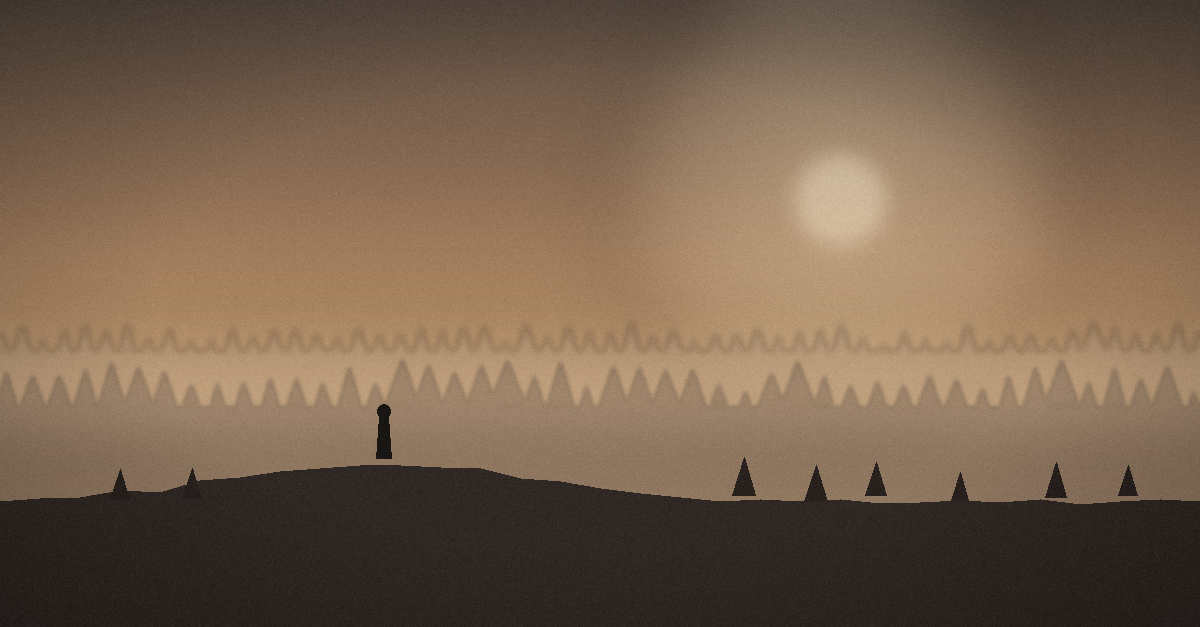
The sky over much of Ontario has been the colour of weak tea this week. If you have stepped outside and caught that faint campfire smell where there should not be one, you already know why. Hundreds of wildfires are burning across the country right now, with more still to the south of us, and the smoke does not ask permission before it crosses a border.
Before I say anything about leadership, I want to sit for a moment with the people actually in it. The crews on the fire lines. The incident commanders working through the night. The families packing what fits in the car and driving away from homes they may not see again. This season has already cost lives among the firefighters themselves. Whatever I have to offer here is small next to that, and I want to hold it that way.
But I have spent more than thirty years thinking about how people lead through hard things, and I find myself watching this season and recognizing patterns I have spent a career trying to teach. So I will offer them gently, as observations rather than lessons, and with full awareness that a smoky sky in Alliston is not the same as standing in front of the flames.
The Work Begins Long Before the Fire
The thing most people misunderstand about wildfire is that the real work happens long before the smoke. It is in the fuel management, the controlled burns, the clearing of what has quietly accumulated over years of nobody looking. By the time a fire is running, your options have narrowed to a handful of bad ones.
Leadership is the same, and we rarely believe it until it is too late. The team that holds together in a crisis is the team that built trust in the ordinary weeks when nothing was on fire. The culture that carries an organization through a bad quarter was poured slowly, in a hundred small moments where a leader chose to be honest, or steady, or kind, when nothing forced them to. You cannot lay that foundation in the middle of the emergency. You can only spend what you have already saved.
Sometimes You Let Something Burn
One of the harder truths in fire management is the controlled burn — deliberately setting a smaller fire to clear the fuel that would otherwise feed a catastrophic one. It runs against every instinct. You are supposed to stop fires, not start them.
Good leaders make this call more often than they would like to admit. There are projects that need to end, roles that have quietly stopped serving anyone, habits and processes that have piled up like dry brush. Letting them go feels like loss, and it is. But protecting everything is how you eventually lose the things that matter most. The discipline is in choosing what to release while you still have the choice.
The Smoke Crosses Every Border
Here is what strikes me most this year. The fires are burning hundreds of kilometres away, and yet here we are, checking air quality apps, keeping kids indoors, feeling it in our own chests. Nobody drew a line the smoke agreed to respect.
Organizations work exactly this way. A crisis in one department drifts into another. A leader's stress, unmanaged, settles over a whole team. What happens far from you rarely stays far from you. The best leaders I have worked with have a kind of peripheral vision for this — they feel the change in the air before it arrives, and they name it early, before everyone is coughing and wondering what is wrong.
After the Fire, the Slow Part
William Bridges, whose work on transitions I have leaned on for years, described the hardest stage of any change as the "neutral zone" — the long, uncertain middle after the old thing has ended and before the new thing has taken shape. It is the least dramatic phase and by far the hardest to lead through, because there is nothing to fight and nothing yet to celebrate.
The land after a wildfire lives in that neutral zone for a long time. So do people, and teams, and communities. The leader's job there is not to rush the regrowth or pretend the loss did not happen. It is to stay present through the unglamorous middle, to keep faith visible, and to trust that the ground is doing quiet work even when nothing green has broken the surface yet.
Thank You
If you are reading this from somewhere the smoke is thicker than an inconvenience, please know you are on my mind. And if you happen to know one of the people out there doing the actual work this season, tell them a stranger in a hazy small town is grateful.
The rest of us can at least try to lead a little better in the calm, so we have something to draw on when the wind changes.
If your leaders are navigating a hard season of their own, this is the kind of work I do: withimpact.com/coaching